When we admire a vintage postcard, the image on the front usually captures our attention first. However, experienced deltiologists know that the reverse side often holds the key to the card’s true history. The back of a postcard is a treasure trove of clues—from postmarks to manufacturing codes—that can help you accurately date and identify your prized pieces.
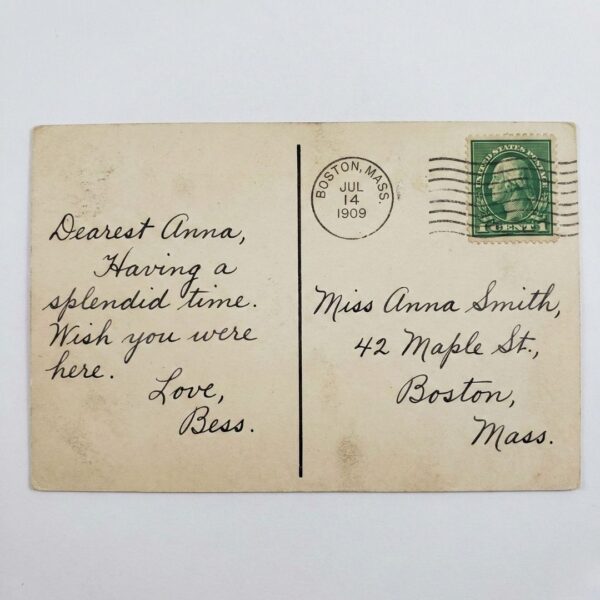
The Significance of the “Divided Back”
Before 1907, US postal regulations prohibited writing messages on the address side of a postcard. We always tell new collectors that finding a “divided back”—where one half is for the address and the other for a message—is the easiest way to date a card to post-1907. This regulatory shift ignited the “Golden Age” of postcards, leading to many of the stunning vintage postcards we offer today.
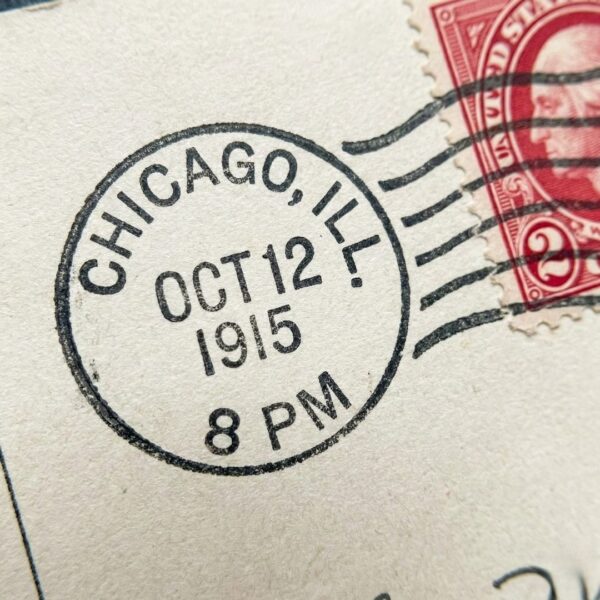
Deciphering Circular Postmarks
The circular cancellation stamp applied by the post office is perhaps the most vital clue for dating. These marks not only provide the exact date of mailing but often include the time of day and the city of origin. We love analyzing these stamps because they pinpoint the exact moment an item began its journey through history, grounding it in a specific time and place.
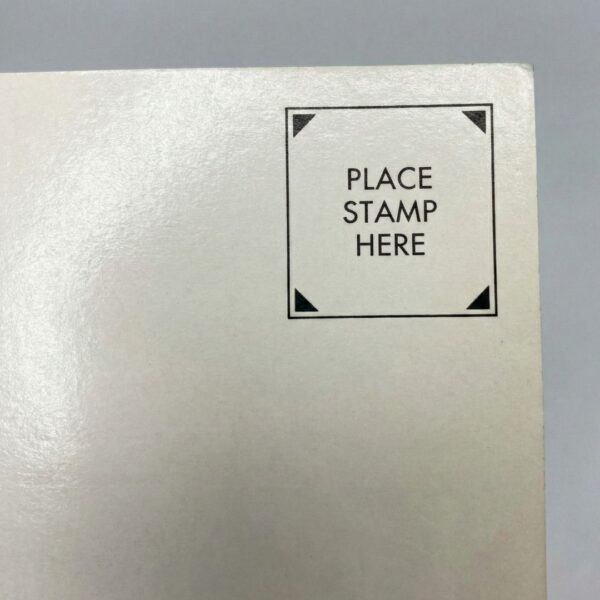
The Secret Language of Stamp Boxes
For Real Photo Postcards (RPPCs), which often lack printed dates, the “stamp box” where the postage goes is crucial. Manufacturers like Kodak used specific codes within these boxes—such as different arrangements of triangles or squares—during different years. Learning to read these subtle markings is an essential skill for determining the age of undated photographic cards in your archive.
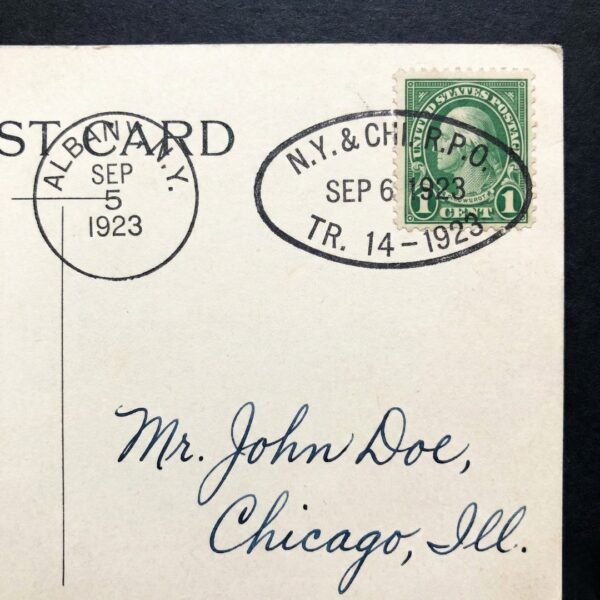
Tracing Forgotten Transit Routes
Beyond the primary postmark, you might find auxiliary markings indicating railway post offices (R.P.O.) or specific transit stations. We find these fascinating as they map out the actual physical journey the card took across the country nearly a century ago. These markings offer a unique glimpse into the historical infrastructure of the mail system that connected our ancestors.
Mastering the art of reading the back of a postcard transforms you from a casual observer into a true historical detective. By understanding these subtle clues, you add significant depth and value to every piece in your collection. At Mary L. Martin Vintage Postcards, we are passionate about helping you uncover these hidden stories. We invite you to explore our extensive inventory, where every card is waiting to reveal its secrets to a knowledgeable collector. Are you ready to test your new skills? Browse our latest acquisitions today and see what history you can uncover.