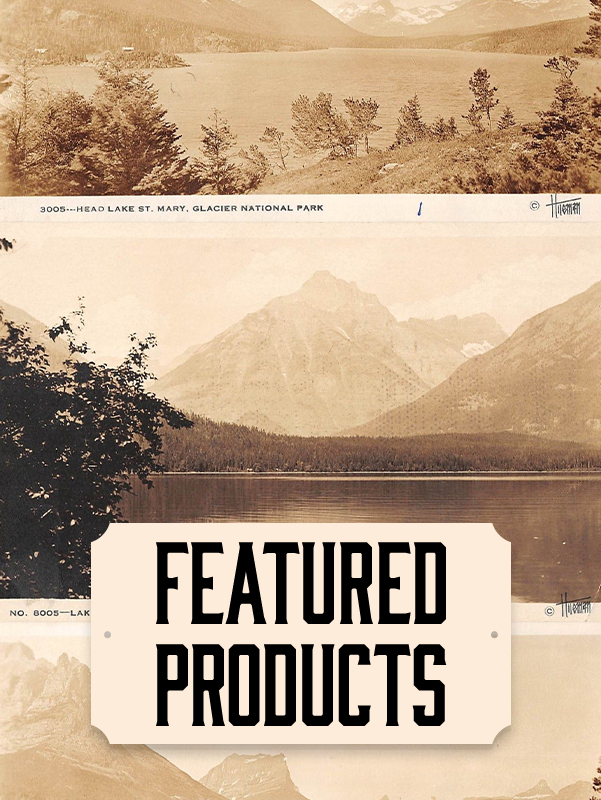
In the early 20th century, before the dominance of mass media like radio and television, the humble postcard emerged as a surprisingly powerful and versatile tool for marketing and advertising. Its affordability, widespread use, and visual appeal made it a direct and effective way for businesses and organizations to reach a broad audience. Postcards were far more than just tourist souvenirs; they were a key component of a burgeoning advertising landscape. Learn more from Mary L. Martin Ltd. today.
Direct-to-Consumer Advertising
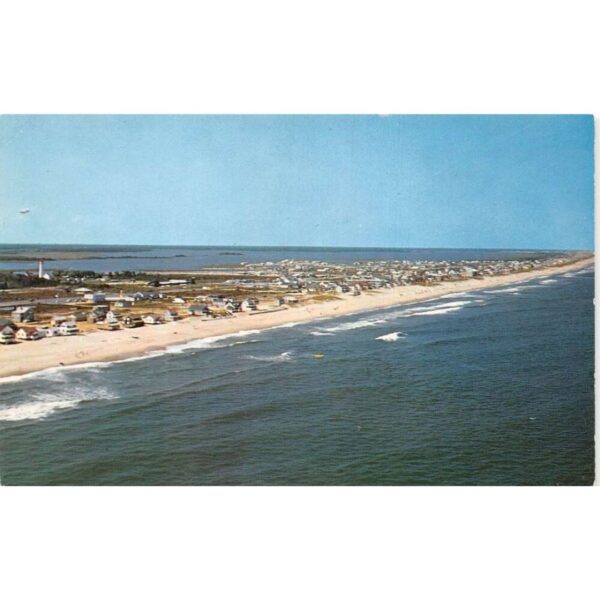
Postcards provided a direct and personal way to advertise. Companies used them to promote everything from products and services to special events and sales. Unlike print ads in newspapers, a postcard landed directly in a person’s mailbox, making it more likely to be seen and read. Businesses could send cards to potential customers on mailing lists, creating an early form of direct mail marketing that was both cost-effective and highly targeted.
Visual Branding and Product Promotion
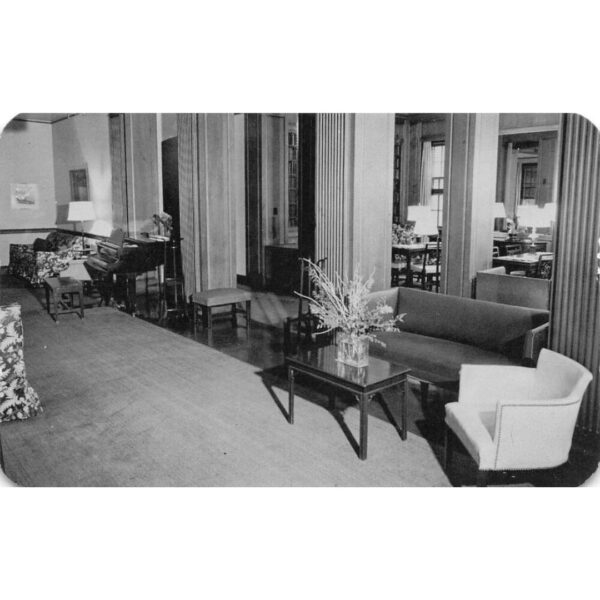
The visual nature of postcards was a major asset for marketing. Businesses could feature a photograph of their product, a rendering of their store, or a striking graphic that conveyed their brand identity. Postcards were particularly effective for industries like hotels, restaurants, and entertainment venues, as they could visually showcase their services and amenities.
Promoting Tourism and Destinations
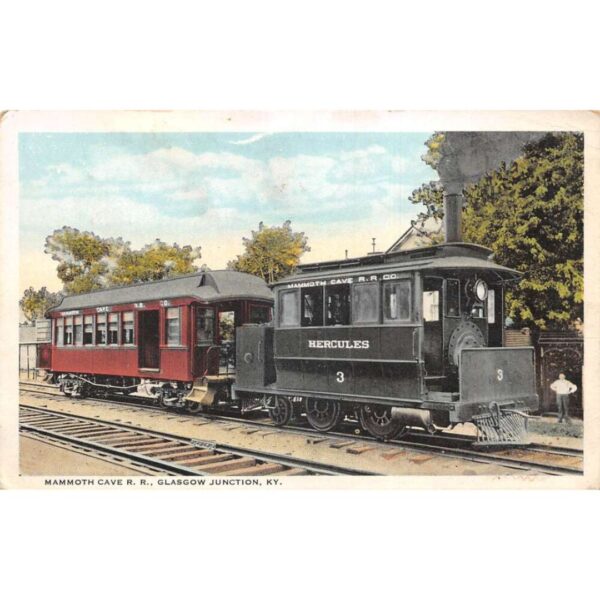
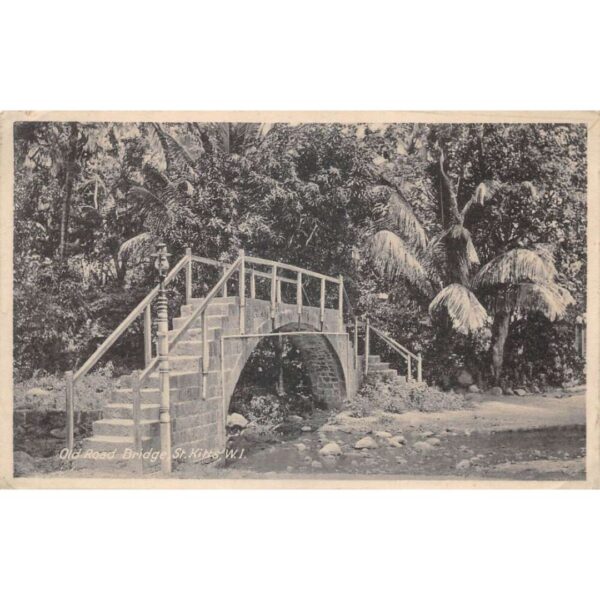
The marketing role of postcards is perhaps most evident in the tourism industry. Destinations, from cities and national parks to specific hotels and attractions, relied heavily on postcards to attract visitors. They served as both promotional materials and souvenirs.
Commemorating Events and Building Loyalty
Businesses also used postcards to commemorate special events, anniversaries, or grand openings. These commemorative postcards served as a memento for attendees and a marketing tool for those who couldn’t be there. They helped build brand loyalty and a sense of community around the business.
The postcard in the early 20th century was a multi-faceted marketing powerhouse. Its use for direct advertising, visual branding, tourism promotion, and event commemoration solidified its role as an essential tool in a time before modern media, demonstrating its lasting influence on marketing strategies.
Contact Us